
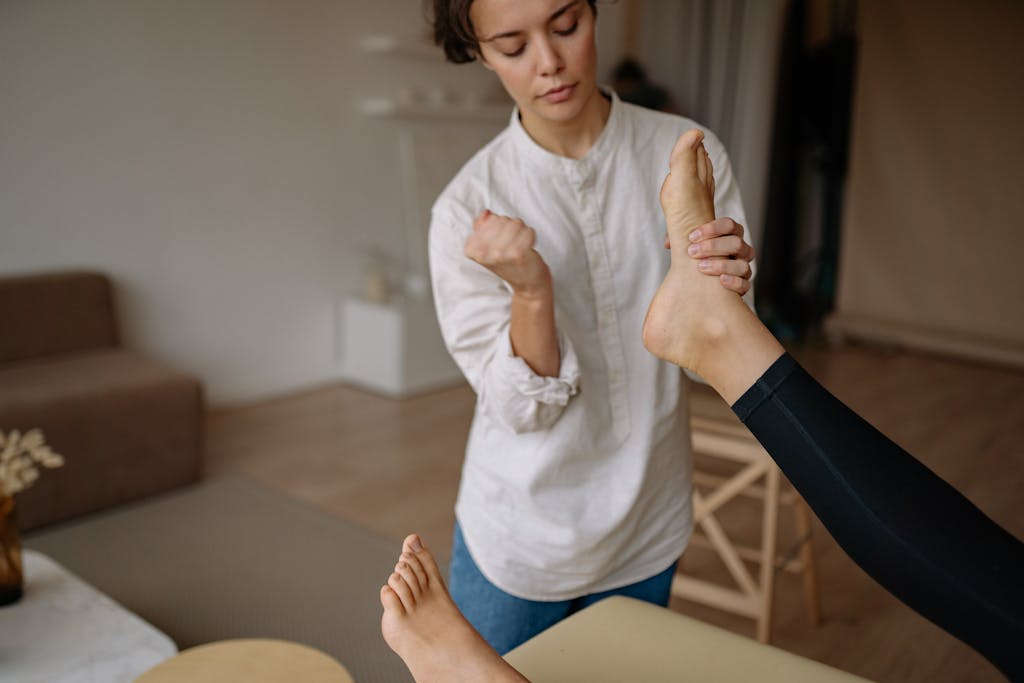
The physical changes following a stroke can feel overwhelming, but dedicated therapy is the single most powerful tool for recovery. Physical Therapy (PT) helps survivors regain strength, balance, and mobility, while Occupational Therapy (OT) focuses on adapting skills to perform essential daily activities, like bathing, dressing, and eating.
This page connects you to specialized support to help your loved one regain function, independence, and confidence. Remember, every small step forward is a victory. Use this as your foundation for building the best life possible for you and your loved one.
1. Finding Specialized Stroke Rehabilitation 🏥
Finding a therapist who understands the specific needs of a stroke survivor is crucial. Look for facilities or therapists with certified training in neurological rehabilitation.
- Locating Certified Neurological Therapists: Use this resource to search for licensed Physical and Occupational Therapists who specialize in stroke or brain injury rehabilitation in your area.
- Inpatient vs. Outpatient Facilities: Learn about the differences between intensive inpatient rehab (for immediate post-hospital care) and ongoing outpatient therapy, and which setting is best for your survivor’s current stage of recovery.
- Home Health Services: Resources for arranging in-home PT and OT, which can be invaluable for patients with mobility issues. Often hospitals have social workers who will help arrange for in-home services.
2. Managing Spasticity and Mobility Challenges 🛠️
Spasticity (muscle tightness) and hemiparesis (weakness on one side) are common. These resources address the daily difficulties they create.
- Understanding and Treating Spasticity: Information on non-pharmacological methods (stretching, positioning) and medical interventions (Botox, nerve blocks).
- Adaptive Equipment and Assistive Devices: Guides on selecting the right mobility aids (canes, walkers, wheelchairs) and specialized equipment for bathing and toileting.
- Fall Prevention Techniques: Safety checklists and exercises recommended by therapists to reduce the risk of falling in the home environment.
- https://www.cdc.gov/steadi/pdf/steadi-brochure-checkforsafety-508.pdf This will take you to a printable fall prevention checklist. This is a very useful tool!
3. Occupational Therapy for Daily Living (ADLs) ☕
Occupational Therapy helps survivors adapt to new ways of performing Activities of Daily Living (ADLs).
- Dressing and Grooming Strategies: Tips and videos demonstrating one-handed techniques for buttoning, zipping, and hygiene tasks.
- https://www.youtube.com/watch?v=xUjOarB8XUc&list=PLa1B8idpEiEplIAyH_swKvZvTQ9yAKH6t This is a very useful youtube series called Caregiver College. There is a lot of good information in these videos.
- Kitchen & Meal Preparation: Guides for modifying utensils, using non-slip mats, and safely preparing food with limited hand function.
- Home Modification Checklists: Resources to assess your home for necessary modifications, such as widening doorways, installing ramps, or adding grab bars.
- https://www.strokenetworkseo.ca/sites/default/files/files/modifying_home_after_stroke_july_2005.pdf The purpose of this guide is to assist the stroke survivor and caregivers to adapt the home environment after a stroke.