

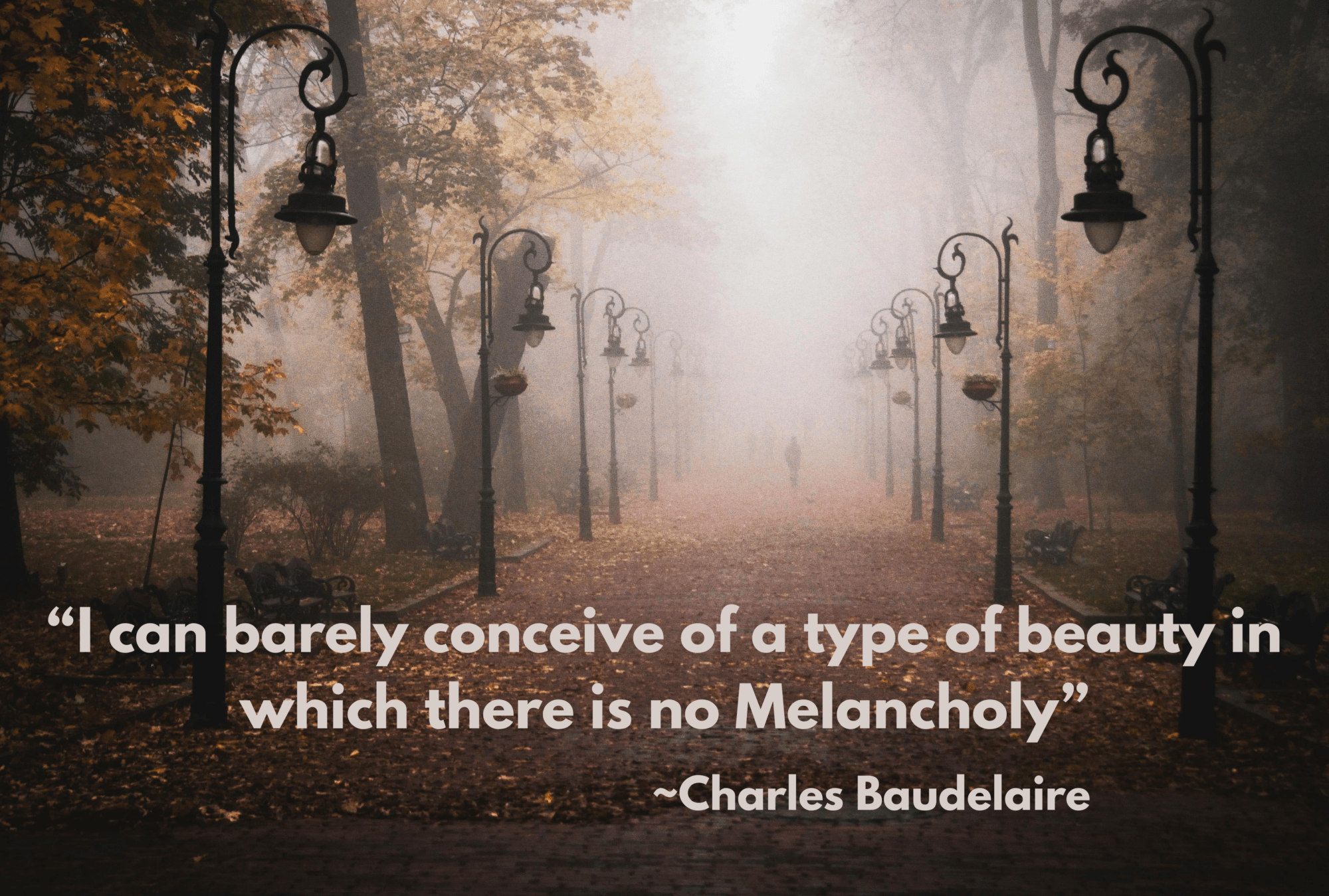
The other day, driving home, I had an experience that completely caught me off guard. It wasn’t the melancholy itself that was unusual – that quiet, reflective sadness has been a familiar companion at times. No, what was truly striking was a wave of gratitude. I found myself profoundly thankful that I was able to feel that melancholy.
It was overwhelming, this loop of emotion. Sadness met appreciation for the capacity to feel sadness. It wasn’t a switch from sad to happy; it was a deeper, more complex layer of emotional experience.
Why did this feel so profound?
For so long, we’re taught to chase happiness, to avoid sadness, to “fix” anything that feels less than positive. We scroll through highlight reels, striving for a constant state of perceived joy. But what if there’s immense value in every emotion, even the ones that ache a little?
My moment of unexpected gratitude for melancholy felt like a powerful affirmation of life itself. It was a reminder that:
- To Feel is To Be Alive: The capacity to feel deeply, in all its forms, is a testament to our humanity. A numb existence, devoid of highs and lows, would be a diminished one. My melancholy, in that moment, was proof of my vibrant inner world.
- Acceptance is Liberating: Instead of resisting the sadness, or trying to logically talk myself out of it, a part of me simply accepted it. This acceptance wasn’t passive resignation; it was an active acknowledgement. And in that acceptance, there was a strange, serene peace.
- Growth Lives in Reflection: Melancholy often invites introspection. It’s a time for quiet thought, for processing, for understanding ourselves a little better. By being grateful for the emotion, I was, in essence, grateful for the opportunity for that inner work.
Taking the Discussion Deeper
My recent reflection on finding gratitude in melancholy revealed the unexpected peace that comes from accepting our complex emotions. This feeling—being thankful for the capacity to feel—is a powerful step toward acceptance.
But what happens when we intentionally cultivate thankfulness during periods of deep sadness or depression?
The connection between gratitude and mental health is profound, offering more than just a momentary boost. For those interested in the psychological underpinnings of this relationship, I highly recommend this insightful article from Embolden World that delves into the vital link between thankfulness and managing depression.
Read the analysis here: Gratitude and Mental Health: On Thankfulness and Depression
That drive home became a lesson in emotional complexity. It taught me that sometimes, the “negative” emotions aren’t signals to run or hide, but invitations to lean in. They offer a richness to our experience, a depth that makes the moments of joy even brighter.
Have you ever experienced a moment where you felt grateful for an unexpected or challenging emotion? I’d love to hear your thoughts in the comments below. Perhaps we’re all a little more connected in our complex emotional landscapes than we realize.
If you are a caregiver struggling with the emotional weight, our latest post explores this vital tipping point, offering strategies to manage your stack without sacrificing your heart.
Read the full reflection and find your boundaries here